If you’re still thinking of loans as “boring bank stuff,” it’s time for a reboot. The loan world is having a full-on glow-up: more digital, more flexible, and way more tailored to real life. Whether you’re side‑hustling, moving out, or leveling up your credit, the loan you pick can either be your launchpad—or your budget’s worst enemy.
Let’s break down the loan types people are actually using right now, plus five trending moves borrowers are sharing, dueting, and stitching all over social.
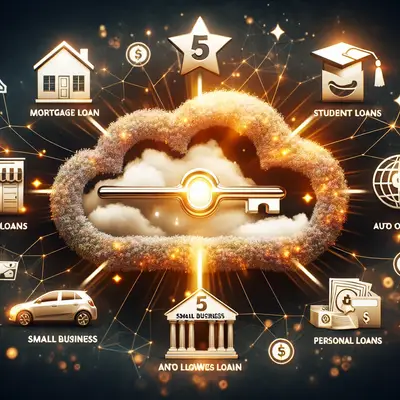
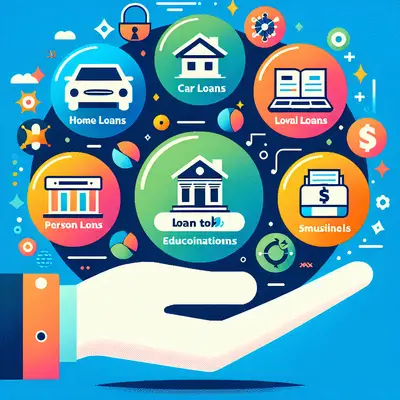
The Big Three: Personal, Auto, and Mortgage Loans (AKA the Classics)
Before you tap “Apply,” you need to know which category your money move sits in. Think of these as the classic characters in the loan universe—each with its own storyline.
Personal loans:
Unsecured (no collateral), fixed monthly payments, and usually fixed interest rates. People use these for debt consolidation, medical bills, weddings, big purchases, or emergency gaps. Because they’re unsecured, your credit score and income matter a lot. Great for: “I need flexibility and I don’t want to pledge my car or house as collateral.”
Auto loans:
Secured by the vehicle itself. Better credit = lower rates, but even mid-range credit can still get decent offers. Terms mostly run 36–72 months. The car can be repossessed if you stop paying, so don’t stretch the term so long that you’re always upside down (owe more than the car is worth).
Mortgage loans:
The big one. Fixed-rate or adjustable-rate, conforming or jumbo, government-backed (FHA, VA, USDA) or conventional. Small differences in percentage points can mean tens of thousands over 30 years. This is one area where shopping around isn’t optional—it’s the entire game.
Trending shareable insight: the “payment trap” is real. A low monthly payment with a long term can cost way more in total interest than a slightly higher payment with a shorter term. Screenshots of amortization tables are going viral for a reason.
Credit Cards vs. Personal Loans: The “Debt Detox” Conversation
A lot of people don’t realize they’re already in a loan—because a credit card is a revolving loan, just with higher drama (and usually higher interest).
Credit cards (revolving credit):
- You can borrow, repay, and borrow again up to your limit
- Minimum payments can stretch debt for years
- Interest rates are often 20%+ for many users
- Great for short-term use and rewards—terrible for long-term balances
Personal loans (installment credit):
- You get a lump sum and pay it back in fixed monthly chunks
- Usually lower interest rates than most cards for qualified borrowers
- Built‑in payoff date, which makes debt feel finite instead of endless
A major trending move right now is debt consolidation loans: people take a personal loan at a lower rate, pay off high-interest cards, and lock in a clear, fixed payoff schedule. The catch? If you clear your cards and then run them back up, you’ve just doubled your problem.
Share-worthy angle: People are posting “before and after” screenshots of how much interest they save with a consolidation loan—this type of content spreads fast, because the math can be shocking.
Buy Now, Pay Later vs. Traditional Loans: Micro-Loans in Disguise
BNPL (Buy Now, Pay Later) isn’t just a button at checkout—it’s a short-term loan type that’s quietly reshaping how people borrow.
BNPL basics:
- Split purchases into 4–6 payments, often with 0% interest if you pay on time
- Available at checkout with major online and in-store retailers
- Easy approvals; sometimes soft or no credit check
- Late fees and missed payments can stack up, and some providers report to credit bureaus
Contrast that with store credit cards or personal loans:
- Store cards: Higher interest, promo 0% periods with tricky fine print
- Personal loans: Better for bigger, planned purchases with clear timelines
What’s trending now is the “subscription mindset” toward debt—people stacking BNPL for clothes, gadgets, and even travel. It feels small, but multiple micro-loans can add up to one big monthly headache.
Shareable takeaway: BNPL can be smart for one or two planned purchases—but when 5+ BNPL payments hit the same paycheck, that “no interest” vibe turns into “no money left” energy real fast.
Student, Business & Home Equity Loans: Level-Up Money Moves
Some loans are less “I just need cash” and more “I’m building something.” That’s where student loans, small business loans, and home equity loans/lines of credit come in.
Student loans:
- Federal student loans: fixed rates, income-driven repayment options, deferment, and for some, forgiveness programs
- Private student loans: credit-based, often variable or higher rates, fewer safety nets
- Refinancing: can lower rates, but may sacrifice federal protections
Small business loans:
- SBA-backed loans, online lenders, lines of credit, and merchant cash advances
- Terms, fees, and flexibility vary wildly—reading the fine print is not optional
- Great for inventory, equipment, or growth—not so great for covering permanent unprofitability
Home equity loans & HELOCs:
- Home equity loan: lump sum, fixed rate, predictable payments
- HELOC (Home Equity Line of Credit): revolving line, variable rates, flexible access
- Both use your home as collateral—miss enough payments and foreclosure is on the table
These loan types are trending because they’re tied to upgrades: education, entrepreneurship, renovations. People love sharing “before and after” stories of these. But the risk is higher, so the planning has to be smarter.
Shareable angle: “Leverage” isn’t just a finance buzzword—it’s what happens when a loan amplifies your future income or net worth, not just your lifestyle.
5 Trending Loan Moves Borrowers Are Sharing Everywhere
This is the content people are screen‑recording, reposting, and sending to group chats right now. These aren’t specific loan products—they’re strategies borrowers are using across different loan types.
1. Soft-pull prechecks before every application
People are finally done with letting every lender slam their credit score. Many lenders now offer prequalification with a soft credit check so you can see estimated rates and approvals without a hard inquiry.
- Why it’s trending: It’s like trying on rates before buying.
- Smart move: Compare a few soft-pull offers, then commit to just 1–2 real applications.
2. Shorter terms for big wins, not just lower payments
Instead of chasing the lowest monthly payment, more borrowers are opting for slightly higher payments with shorter loan terms to massively cut total interest.
- Example vibe: Pay off a car in 48 months instead of 72, or choose a 15-year mortgage instead of 30 if cash flow allows.
- Why it’s shareable: People love posting “I shaved 7 years off my mortgage and saved $100k in interest” content—and everyone clicks.
3. Refinancing as a normal move, not a one-time Hail Mary
Refinancing used to be something people talked about “one day.” Now it’s part of the regular money rotation—especially for auto, personal, student, and mortgage loans.
- What’s trending: Watching rates and credit score, then pouncing when the combo is right.
- Best use: Lower the rate, shorten the term, or both. Avoid refinancing into longer terms that increase total interest unless you absolutely need the payment relief.
4. Mixing loan types on purpose (not by accident)
People are getting strategic about using different loans for different roles:
- Low-interest personal loan to consolidate high-interest cards
- 0% intro APR credit card for a short-term expense with a clear payoff plan
- HELOC for renovations that actually increase home value
- Small business loan to separate personal and business finances
Instead of one messy pile of random debt, there’s an intentional setup. This is the “money architecture” content that’s getting reposted with captions like “No one taught us this.”
5. Running every loan through a “stress test” before saying yes
The newest flex isn’t just getting approved—it’s only accepting loans that your future self can comfortably live with.
People are doing a personal “stress test” before signing:
- If my income dropped 20%, could I still afford this?
- If rates adjust (for ARMs, HELOCs), what does the worst-case payment look like?
- If this loan blocks me from saving or investing, is it really worth it?
Why it trends: It flips the script from “Can I get this?” to “Do I actually want this pressure?” That mindset shift is the kind of quote people throw on reels and stories.
Conclusion
Loans aren’t automatically good or bad—they’re just powerful tools. The real difference is in the type you pick, the strategy you use, and how honest you are about your budget and goals.
When you match the right loan type with the right purpose and the right plan, a loan stops being a panic button and starts being a launchpad. Whether you’re consolidating, upgrading, renovating, or building something new, the trend that actually matters most is this:
You’re not just trying to get approved.
You’re trying to stay in control.
Share this with the friend who’s “thinking about applying soon” but hasn’t actually looked at the numbers yet.
Sources
- [Consumer Financial Protection Bureau – Types of Loans](https://www.consumerfinance.gov/consumer-tools/loan-help/) - Overview of common loan types, borrower rights, and key protections
- [Federal Trade Commission – Credit, Loans, and Debt](https://www.ftc.gov/credit-loans-debt) - Guidance on credit, loan costs, and avoiding abusive lending practices
- [Federal Student Aid – Types of Federal Student Loans](https://studentaid.gov/understand-aid/types/loans) - Detailed breakdown of federal student loan options, terms, and protections
- [Federal Reserve – Consumer Credit (G.19)](https://www.federalreserve.gov/releases/g19/current/default.htm) - Data and trends on consumer credit, including revolving and nonrevolving loans
- [U.S. Small Business Administration – Funding Programs](https://www.sba.gov/funding-programs/loans) - Official information on SBA-backed small business loan options and requirements
Key Takeaway
The most important thing to remember from this article is that this information can change how you think about Loan Types.