Money isn’t one-size-fits-all—and neither are loans. If you’ve ever felt low‑key overwhelmed scrolling through “personal vs. auto vs. HELOC vs. whatever-that-is,” you’re not alone.
This is your scroll-stopping guide to the vibe behind different loan types, plus 5 trending ideas borrowers are sharing, stitching, and screenshotting right now. By the end, you’ll know which loan type actually fits your life instead of just… existing on a comparison chart.
Loan Types in Real Life, Not Just on Paper
Most people think loan types are just labels. In reality, each one comes with its own rules, risks, and “is this actually worth it?” energy.
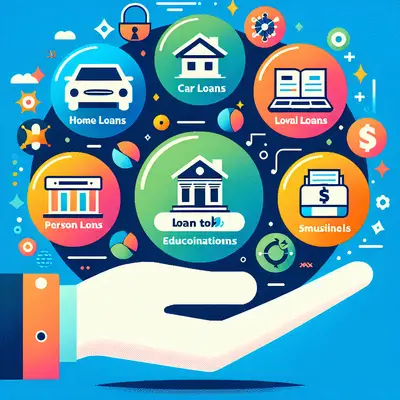
- Personal loans: Unsecured, usually fixed-rate. Great for consolidating debt, big expenses, or “my car just died and I’m not OK.”
- Auto loans: Secured by the car itself. Better rates than many personal loans, but the lender can take the car if you don’t pay.
- Student loans: Built for education costs, with specific protections and repayment options—especially federal loans.
- Mortgages: Long-term, secured by your home. Usually the lowest rates because the house is collateral.
- Home equity loans / HELOCs: Use your home’s equity as a borrowing tool—either as a fixed lump sum (home equity loan) or revolving line of credit (HELOC).
- Credit cards & BNPL (“Buy Now, Pay Later”): Technically credit, but they act like short-term loans. Flexible, but easy to abuse.
Different loans solve different problems. The power move isn’t “what can I get approved for?” but “which loan structure actually fits what I’m trying to do—and at what risk?”
Trending Point #1: “Payment First, Loan Type Second” Is the New Flex
The old way: pick a loan type, then figure out if you can survive the payments.
The new wave: design the payment you want, then pick the loan type that makes it possible.
Here’s how people are flipping the script:
- Start with: “What’s the max monthly payment I can handle without wrecking my budget?”
- Use that number to reverse-engineer how much you should really borrow.
- Compare loan types based on payment style, not just approval chances:
- Fixed-rate personal loan = predictable, same payment every month.
- Variable-rate HELOC = lower at first, can change later.
- Mortgage vs. personal loan for home projects = same project, very different payments and timelines.
This mindset is going viral because it’s practical and instantly shareable: “Don’t chase the loan. Build the payment, then let the right loan find you.”
Trending Point #2: Debt Consolidation Loans Are the “Declutter Your Wallet” Move
One of the hottest ways people are using personal loans right now? Debt consolidation—aka rolling multiple high-interest debts into one cleaner, lower-rate payment.
Why this is blowing up on social feeds:
- Instead of 5 due dates, you get one.
- Instead of multiple interest rates (some sky-high), you aim for one lower rate.
- You can move from revolving credit card debt to a fixed payoff timeline.
But here’s the catch creators are warning about in their captions: consolidation only works if you actually stop reloading the credit cards you just paid off. The trend isn’t just “get a consolidation loan”—it’s “pair the loan with new habits.”
Best fit:
- If you’re juggling high-interest cards, store cards, or BNPL
- You want structure and a finish line, not an endless loop of minimum payments
- You care about your credit score long-term and want fewer chances to miss payments
Trending Point #3: “Use Your House Like a Tool, Not an ATM” (Home Equity Loans & HELOCs)
Homeowners are waking up to the fact that equity isn’t just a number on Zillow—it’s borrowing power. But the smartest voices online are adding a huge disclaimer: this is grown-up money. Mess around and you could risk your home.
Two main types:
- Home Equity Loan
- One big lump sum
- Fixed rate, fixed payment
- Feels like a second mortgage
- HELOC (Home Equity Line of Credit)
- Works more like a credit card with a limit
- Variable rate (can go up or down)
- Flexible: borrow, repay, borrow again during the draw period
- Big renovations that actually increase home value
- High-interest debt payoff (when they’re extremely disciplined)
- Education or major life events when other loan options are pricey
People are using these for:
The viral rule of thumb:
If it doesn’t build your net worth or seriously upgrade your life for the long run, don’t put it on your house.
Trending Point #4: Student Loans vs. “Upfront Cash” – Borrowing for Education the Smart Way
Student loans are back in the spotlight—and not in a chill way. That’s why more borrowers are thinking strategically about which type of loan they use for school and student-life costs.
Key vibes:
- Federal student loans: Often lower rates, income-driven repayment options, potential forgiveness programs, and deferment protections.
- Private student loans: Based on credit and income; rates and protections vary widely by lender.
- Personal loans & credit cards for school: Trending in some circles, but usually not the best move for core tuition when federal options exist.
What’s catching everyone’s attention is the “stack smart, not random” approach:
- Max out safer federal options before turning to private loans.
- Avoid credit cards for long-term education debt whenever possible.
- Only consider personal loans for tightly defined, short-term gaps you can realistically repay.
People are also sharing breakdowns of what not to borrow for: luxury apartments, spring break trips, and tech you don’t absolutely need. The new energy is: “Future you shouldn’t be paying 8% interest on past you’s impulse buys.”
Trending Point #5: Matching Loan Type to Goal Length Is the Real Cheat Code
The smartest creators are boiling it down to one simple rule:
Short-term goal → short-term loan.
Long-term goal → long-term loan.
Why this matters:
- Using a 30-year mortgage cash-out refi to cover a 2-year expense means you might be paying for that thing decades longer than it even exists.
- Putting a 10-year home upgrade on a 15-year HELOC can actually make sense—if the rate and risk are solid.
- Using a personal loan to break free of revolving debt can turn “forever payments” into a clear end date.
Try viewing loan types by time horizon instead of product name:
- Under 12 months: Maybe a 0% promo card (paid before promo ends), or no loan at all if you can adjust your budget.
- 1–7 years: Personal loans, auto loans, some private loans.
- 8+ years: Mortgages, student loans, some home equity options.
This perspective is shareable because it’s simple: “Match how long you’ll use the thing to how long you’ll pay for it.”
How to Choose Your Loan Type Without Melting Your Brain
When you zoom out, picking a loan type is less about “What’s everyone else using?” and more about four core questions:
What am I actually trying to do?
- Buy a home, fix a car, clean up debt, finish school, fund a remodel, bridge a gap?
How long should this realistically take to pay off?
- Is this a short sprint or a long-term commitment?
What’s my risk comfort with collateral?
- Are you OK risking your car or home as security, or do you want unsecured even if it costs more?
Do I need flexibility or certainty more?
- Flexibility = lines of credit and variable rates. - Certainty = fixed rates and fixed payments.
Once you answer those, the “right” loan type usually stops feeling mysterious and starts feeling obvious.
Conclusion
Loan types don’t have to be confusing or boring—they’re just different tools for different money missions. The new-school move is to:
- Start with your goal and payment comfort, not the lender’s menu.
- Use consolidation and home equity options with discipline, not vibes only.
- Match the loan type to your timeline so you’re not paying forever for something temporary.
The more you treat loans like strategy instead of panic buttons, the more power you get back in every money decision. Share this with a friend who’s about to click “Apply” without reading the fine print—and help them pick the loan type that actually fits their moment.
Sources
- [Consumer Financial Protection Bureau – Types of Loans](https://www.consumerfinance.gov/ask-cfpb/what-are-the-different-types-of-loans-en-1897/) – Overview of common loan categories and how they work
- [Federal Trade Commission – Home Equity Loans & Lines of Credit](https://consumer.ftc.gov/articles/home-equity-loans-lines-credit) – Detailed breakdown of risks, benefits, and key terms for home equity borrowing
- [U.S. Department of Education – Federal Student Aid](https://studentaid.gov/understand-aid/types/loans) – Official information on federal student loans, protections, and repayment options
- [Federal Reserve – Credit Card and Revolving Debt Basics](https://www.federalreserve.gov/creditcard/) – Background on how revolving credit works and why rates matter
- [USA.gov – Mortgages](https://www.usa.gov/mortgages) – Government guide to mortgage types, terms, and homeowner resources
Key Takeaway
The most important thing to remember from this article is that this information can change how you think about Loan Types.