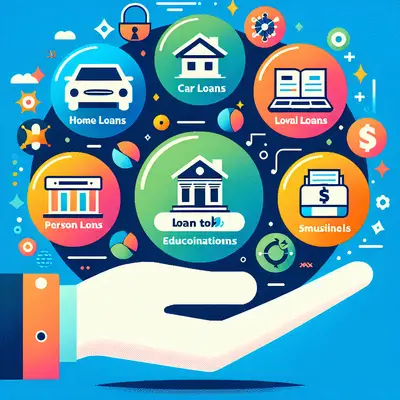
Loans used to feel like homework. Now they’re more like picking your next upgrade: phone, car, apartment, even your degree. But here’s the catch—your loan type quietly decides how expensive that upgrade really is.
This is your cheat sheet to understanding loan types without the boring finance-speak. And because we live in the era of screenshots and group chats, we’re breaking it down into 5 trending points borrowers are actually sharing.
The Core Move: Matching Your Loan Type to Your Timeline
Every loan type has a secret personality: some are clingy (long-term debt), some are chill (short-term), some are straight-up chaotic (variable rates). Your job? Match your loan to your timeline and risk comfort.
A 30-year mortgage? That’s “forever home” energy. A 3-year personal loan? That’s “clean this up fast” energy. A HELOC (home equity line of credit)? That’s “I want flexibility and I might dip in and out.”
Before you even compare lenders, ask two questions:
How long do I want this debt in my life?
How okay am I with my payment changing?
Mortgages, auto loans, and federal student loans usually come with fixed terms and predictable payments—great for people who want structure. Credit cards and lines of credit (like HELOCs or personal lines) are more fluid but easier to misuse. The wrong type can make a totally normal purchase (car, home, degree) way more stressful than it needs to be.
Trending Point #1: Fixed vs Variable Is the Real “Choose Your Difficulty Level”
People love talking about “low interest rates,” but the real game is choosing between fixed and variable loan types:
- Fixed-rate loans (most traditional mortgages, many personal and auto loans):
- Same interest rate for the entire term.
- Predictable monthly payment.
- Great when rates are already high or you want stability.
- Variable / adjustable-rate loans (ARMs, some private student loans, HELOCs, certain personal loans):
- Rate can move up or down with the market.
- Usually starts lower than fixed, then can increase later.
- Risky if your budget is tight or you plan to hold the loan long-term.
The trending borrower move right now?
Start fixed, rethink later.
A lot of people:
- Lock in a fixed-rate mortgage for stability.
- Use variable-rate products only when:
- They have a fast payoff plan, or
- They know they’ll refinance or sell before big rate resets.
Shareable rule:
If a surprise $200+ jump in your monthly payment would wreck your budget, variable rates are a red flag.
Trending Point #2: Personal Loans Are the “Debt Reset Button” (With Conditions)
Personal loans are having a moment because they’re like a structured reset for messy debt:
- They’re usually unsecured (no collateral like your car or house).
- You get a lump sum with a fixed rate and set payoff date.
- They can sometimes be cheaper than carrying high-interest credit card balances.
- Consolidate multiple credit cards into one predictable payment.
- Fund big life events (moves, weddings, medical bills, side-hustle launches).
- Avoid the “minimum payment forever” trap of revolving credit.
People are using personal loans to:
But here’s the catch:
Personal loans can be a win only if:
- The interest rate is lower than what you’re replacing.
- You do not immediately run those credit cards back up.
- The monthly payment fits comfortably in your budget.
- Does this personal loan end my debt sooner?
- Am I paying less interest overall, not just a smaller monthly number?
Quick check before sharing your “debt reset” screenshot:
Trending Point #3: Auto Loans vs Leases – Same Car, Completely Different Math
Car choices are loud. Payment choices are louder. This is where loan type can totally change the cost of that “dream” car.
Auto Loan (You Own It):
- You borrow money, buy the car, and pay the lender back.
- Payment amount depends on price, rate, and term length.
- Longer term = lower payments but more interest over time.
- At the end, the car is yours with no mileage limits.
- You basically pay for the car’s depreciation during the lease period.
- Lower monthly payments than buying in many cases.
- But: mileage limits, wear-and-tear charges, and you don’t own it.
- Shorter loan terms (48–60 months instead of 72–84) to avoid being upside-down.
- Going for a slightly cheaper car + shorter loan instead of a prestige car + 7-year loan trap.
- Running the numbers on lease vs loan before stepping onto the lot (or into the dealership app).
Lease (You Rent It Long-Term):
Trending move people are sharing:
If your money goals include homeownership or fast debt payoff, the car loan type—and length—you pick matters way more than the brand badge on the hood.
Trending Point #4: Student Loan Types Are Not All Built the Same
Student loans aren’t just “student loans.” The loan type changes everything from your rights to your future options.
Federal Student Loans (U.S.)
- Backed by the government.
- Access to:
- Income-driven repayment (IDR) plans.
- Forgiveness programs for public service/teaching.
- Deferment and forbearance options.
- Fixed interest rates.
- Usually the first stop for undergrads.
- From banks, online lenders, or credit unions.
- Often require credit checks or a co-signer.
- May have variable or fixed rates.
- Fewer safety nets if your income changes.
- Limited or no access to federal forgiveness programs.
- Maxing out federal options before touching private loans.
- Thinking twice before refinancing federal loans into private just for a slightly lower rate—because that can permanently erase federal protections and forgiveness potential.
- Using loan servicer tools and official calculators to pick a repayment plan that fits their real income, not their “if everything goes perfect” fantasy.
Private Student Loans
Trending smart borrower behavior:
If your degree is supposed to level up your life, choosing the right loan type is just as critical as choosing the school.
Trending Point #5: Mortgages, HELOCs & Refi – Same House, Different Money Strategy
Not all “home loans” are the same, and borrowers are getting way more intentional about which type to use when.
Primary Mortgage
- Your main home loan—usually a 15-, 20-, or 30-year fixed or an ARM.
- Used to buy the house.
- Biggest impact on your monthly housing cost.
- You replace your existing mortgage with a new, larger one and take the difference in cash.
- People use this to consolidate higher-rate debt or fund big projects.
- You’re resetting the clock on your mortgage, so long-term total interest can go up even if your rate goes down.
- Works like a credit card backed by your home’s equity.
- Revolving: you can borrow, repay, and re-borrow during the draw period.
- Often variable rate.
- Popular for renovations, emergency buffers, or planned projects.
- Lump sum, fixed rate, fixed term.
- Think “personal loan, but with your house as collateral.”
- Use a HELOC for flexible, multi-phase projects or short-term borrowing.
- Use a home equity loan when you want a fixed, predictable payment for a one-time expense.
- Use cash-out refi only when:
- The new mortgage rate is meaningfully better and
- You’re okay resetting or extending your payoff timeline.
Cash-Out Refinance
HELOC (Home Equity Line of Credit)
Home Equity Loan
Trending homeowner strategy:
Big unlock: The house is the same; your money experience changes based on which loan type you use to tap that equity.
Conclusion
Loan types aren’t just paperwork—they’re the blueprint for how your money moves for the next few years (or decades). Once you understand the difference between fixed vs variable, term length, secured vs unsecured, and federal vs private, you stop playing defense and start making intentional choices.
Before you sign anything:
- Match the loan type to your timeline.
- Stress-test your budget against worst-case scenarios (rate hikes, income dips).
- Compare total interest paid, not just monthly payments.
Share this with the friend who’s about to “just sign whatever they give me.” Their future self (and their wallet) will thank you.
Sources
- [Consumer Financial Protection Bureau – Types of Loans and Credit](https://www.consumerfinance.gov/ask-cfpb/what-are-the-different-types-of-loans-faq1883/) – Overview of common loan types, including mortgages, auto loans, student loans, and personal loans.
- [Federal Student Aid (studentaid.gov) – Types of Federal Student Loans](https://studentaid.gov/understand-aid/types/loans) – Official breakdown of federal student loan types, benefits, and repayment options.
- [Federal Trade Commission – Mortgages & Home Equity Loans](https://consumer.ftc.gov/articles/mortgage-shopping) – Guidance on mortgages, home equity loans, and how to compare offers.
- [U.S. Department of Energy – Home Equity Loans and HELOCs for Home Improvements](https://www.energy.gov/energysaver/home-equity-loans-and-lines-credit) – Explains how HELOCs and home equity loans work, especially for renovation projects.
- [Edmunds – How Car Loans Work](https://www.edmunds.com/car-loan/how-car-loans-work.html) – Detailed explanation of auto loan terms, costs, and strategies for smarter vehicle financing.
Key Takeaway
The most important thing to remember from this article is that this information can change how you think about Loan Types.