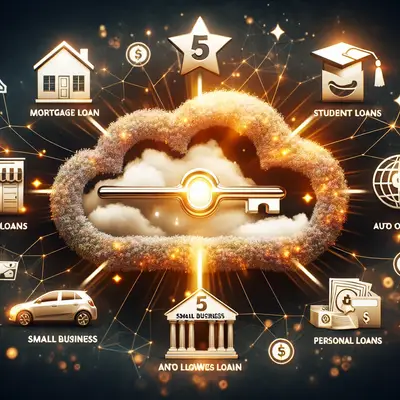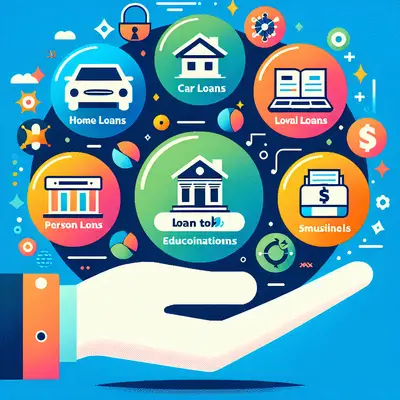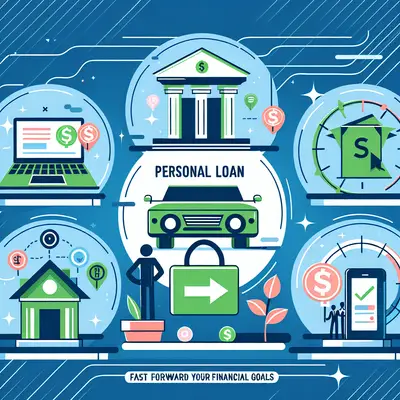
Borrowing in 2025 isn’t just “personal loan vs. credit card” anymore—it’s a whole menu. Different loan types now come with their own vibe, speed, and “fine print personality.” If you’re still treating every loan like it’s the same, you’re leaving money (and sanity) on the table.
Let’s break down the loan types that actually matter right now—plus 5 trending “must-know” points that loan seekers are sharing, screenshotting, and sending to the group chat.
The Big Three: Personal, Auto, and Mortgage Loans (AKA The OG Squad)
Before we get into the trendy stuff, you need to know the classic trio—because everything else is a remix of these.
Personal loans are your all-purpose tool. They’re usually unsecured (no collateral), fixed interest, fixed term, and you can use them for almost anything: debt payoff, medical bills, side hustle gear, wedding chaos—the works. Because they’re unsecured, your credit score and income matter a lot, and rates can swing wildly depending on your profile.
Auto loans are locked to the car you’re buying. The vehicle is the collateral, so if you stop paying, the lender can repossess it. Auto loans often have lower rates than personal loans because they’re secured—but they’re not flexible. You can’t use an auto loan to pay off your credit cards or fund a dream trip.
Mortgages are in their own galaxy. Huge amounts, long terms (15–30 years), and detailed underwriting. Fixed-rate mortgages give you predictable payments; adjustable-rate mortgages (ARMs) can start cheaper but later adjust with the market. Mortgages are deeply affected by broader interest-rate moves, so timing and rate-shopping matter big time.
All three are usually installment loans—you borrow once, then pay back in set chunks over time. That’s different from revolving credit (like credit cards), where you can borrow, repay, borrow again, and your rate can move with your behavior.
Personal Loans vs. Buy Now, Pay Later: The New Credit Tug-of-War
BNPL (Buy Now, Pay Later)—those “4 easy payments of $X” buttons all over your favorite shopping sites—has changed how people think about borrowing. But it hasn’t replaced personal loans; it’s just added a new layer of decisions.
Personal loans are better for bigger, planned-out purchases or debt cleanups: consolidating old balances, covering a major expense, or smoothing big life events you know you can budget for. You get one lump sum, one rate, one payment schedule.
BNPL works best for small, short-term buys—clothes, gadgets, flights, furniture—where you’re confident you’ll pay it off quickly. But stack three, four, or five BNPL plans at once, and suddenly you’ve got a stealth debt pile that can be harder to track than a single structured loan.
A lot of borrowers are realizing:
- BNPL + credit cards + random personal loans = money chaos
- One well-chosen personal loan to replace scattered debt = cleaner budget and often lower total interest
Social-worthy truth: “I don’t need more ways to borrow; I need smarter ways to borrow.” That’s where truly understanding loan types comes in.
5 Trending Loan-Type Insights Everyone’s Sharing Right Now
Here are the five hottest “wait, why did nobody explain it like this?” insights about loan types that people are sharing, texting, and turning into money glow-ups.
1. “Fixed vs. Variable” Isn’t Boring Fine Print—It’s Your Stress Level
Fixed-rate loans keep the same interest rate for the whole term. Variable (or adjustable) rates can change based on a benchmark (like the prime rate or SOFR).
Why it’s trending: people are finally connecting rate type → life situation.
- If you crave stability, are on a tight budget, or hate surprises: fixed-rate personal loans, auto loans, and mortgages are your mental health allies.
- If you have wiggle room, expect income growth, or know you’ll pay off the loan fast, you might tolerate a variable rate that starts lower—but can climb.
Viral-friendly takeaway:
Fixed rate = predictable life. Variable rate = gamble with your future paycheck.
2. Debt Consolidation Loans Are the “Unfollow” Button for Toxic Debt
Debt consolidation isn’t just a buzzword—it’s a specific way of using a personal loan to clean up messy balances.
You take out one new loan (ideally with a lower rate than your current debts) and use it to pay off multiple high-interest accounts: credit cards, store cards, sometimes even BNPL plans. Now you’ve got:
- One payment date
- One interest rate
- A clear payoff timeline instead of “I’ll get to it eventually”
What’s trending is the mindset shift: people are treating consolidation loans as a strategy, not a last-ditch rescue. The glow-up move is to lock in a personal consolidation loan before your credit card situation turns into a fire.
Shareable angle: “I didn’t ‘get another loan.’ I fired my old interest rates.”
3. HELOC vs. Home Equity Loan: Your House as a Financial Superpower (Or Trap)
Homeowners are discovering that “home equity” isn’t just a number on paper—it’s a borrowing tool. But there are two main forms, and confusing them is where people get burned.
- A home equity loan is like a second mortgage: one lump sum, fixed rate, fixed payment.
- A HELOC (Home Equity Line of Credit) is more like a credit card secured by your house: revolving line, variable rate, and you borrow only what you need, when you need it.
The 2025 trend: using HELOCs more strategically—not as an open-ended lifestyle upgrade, but for targeted moves like:
- High-ROI home renovations
- Consolidating expensive debts at a lower rate
- Funding education or big career pivots
But here’s the viral warning: with both options, your house is the collateral. Miss enough payments and you’re putting your home at risk. That’s why more people are comparing HELOCs vs. personal loans vs. 0% promo cards before touching home equity.
Screenshot-worthy line:
“A HELOC isn’t ‘free money.’ It’s a loan with your front door on the line.”
4. Student Loans Are Morphing—Ignore the New Rules at Your Own Risk
Student loans used to feel pretty straightforward. Now there are federal loans, private loans, income-driven repayment plans, forgiveness programs, and policy changes dropping like app updates.
Key loan-type differences that are blowing up online:
- Federal student loans usually have more flexible repayment options, potential forgiveness, and protections like deferment and forbearance.
- Private student loans act more like traditional personal loans: credit-based, less flexible, and typically no forgiveness options.
The smart move trending now:
Treat federal loans as your default starting point, and only use private loans to fill unavoidable gaps—after maxing out safer federal options.
People are also waking up to the reality that loan type affects your future flexibility: your ability to change careers, take lower-paying dream jobs, or survive a layoff is directly tied to whether you’re in a rigid private loan structure or a federal plan that can adjust to your income.
Conversation starter:
“My major didn’t trap me—my loan type almost did.”
5. Business, Side-Hustle, and “Creator” Loans Are Not One-Size-Fits-All
The rise of freelancers, creators, and side hustlers has pushed a new conversation: what’s the right loan type when your income isn’t a neat 9–5 paycheck?
Options on the table:
- Small business term loans – classic lump-sum working capital, predictable payments, often better for established businesses with proven revenue.
- Business lines of credit – flexible, revolving credit for short-term gaps (inventory, slow months, late invoices). You pay interest only on what you use.
- Equipment financing – the gear itself is collateral (cameras, vans, machines), often with lower rates than a generic personal loan.
- Personal loans – easier to get if your business is new and unproven, but they’re tied to you, not your business entity.
The trending mindset: creators and founders are separating “me” money from business money. Using the right loan type can protect personal credit, keep taxes cleaner, and make it easier to scale later.
Shareable nugget:
“If your side hustle is making real money, it deserves real loan strategy—not random swipes.”
How to Match Your Loan Type to Your Actual Life (Not Just the Ad Copy)
Instead of asking “Can I get approved?”, flip the question: “Does this loan type actually fit how I live, earn, and spend?”
Run each potential loan through this quick vibe check:
- Stability check: Is my income stable or choppy? (Stable → fixed rate & longer term may be safer. Choppy → prioritize flexible payments or smaller commitments.)
- Timeline check: Will I still want this debt in 2–5 years? (Short-term goals shouldn’t have long-term financing whenever you can avoid it.)
- Risk check: Is this loan secured or unsecured? (Secured can mean lower rates—but higher stakes if you default.)
- Freedom check: Does this loan limit my future moves? (Some private or secured loans can box you in more than you realize.)
When you understand loan types, you stop thinking in “yes/no approved” and start thinking in “Does this loan align with my next chapter?”
That’s where the real power is—not just borrowing, but borrowing on your terms.
Conclusion
Loan types aren’t just boring categories; they’re money personalities. Personal vs. auto vs. mortgage vs. HELOC vs. BNPL vs. business lines of credit—each one comes with its own rules, risks, and rewards.
The flex for 2025 isn’t just getting the loan. It’s picking the right type, at the right time, for the right reason—so your debt actually supports your life instead of draining it.
Learn the menu. Choose with intention. And next time you see a flashy “instant approval” ad, you’ll know exactly what kind of loan is hiding behind it—and whether it deserves a spot in your wallet or a hard pass.
Sources
- [Consumer Financial Protection Bureau – Auto Loans](https://www.consumerfinance.gov/consumer-tools/auto-loans/) – Explains how auto loans work, key terms, and what to watch for in financing offers
- [Federal Trade Commission – Using Home Equity](https://www.consumer.ftc.gov/articles/0153-using-home-equity) – Breaks down home equity loans and HELOCs, including risks and comparisons
- [Federal Student Aid – Types of Federal Student Loans](https://studentaid.gov/understand-aid/types/loans) – Official overview of federal student loan types, features, and protections
- [U.S. Small Business Administration – Loans](https://www.sba.gov/funding-programs/loans) – Details major small business loan programs and how they differ
- [Federal Reserve – Consumer Credit (Revolving vs. Nonrevolving)](https://www.federalreserve.gov/releases/g19/current/) – Data and definitions showing how installment loans differ from revolving credit in the broader credit system
Key Takeaway
The most important thing to remember from this article is that this information can change how you think about Loan Types.