Money is having a main-character moment, and loans are no longer just “adulting paperwork.” They’re powerful tools—IF you play them right. The catch? The loan world is full of jargon, fine print, and random “gotchas” that can drain your future before it even loads.
This is your shortcut. We’re breaking down the loan types that actually matter right now—and the 5 trending moves borrowers are using to stay flexible, protected, and way more in control of their cash. This is the loan talk people actually DM to their group chats.
The Real Loan Lineup: What You’re Actually Choosing Between
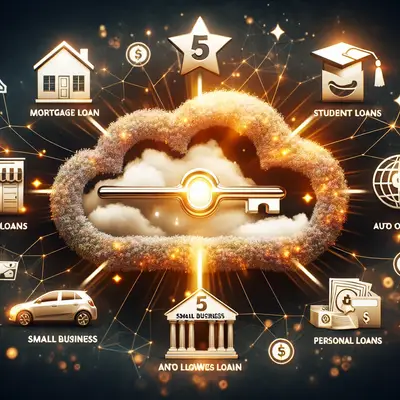
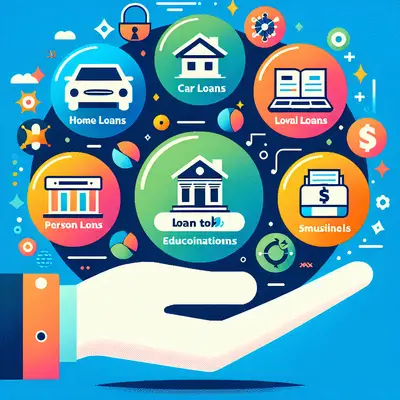
Forget the 20-tab Google spiral. Most loans you’ll deal with fall into a few big families—and knowing the vibe of each is half the game.
1. Personal Loans – The “Do-Anything” Money
These are usually unsecured (no collateral), with fixed monthly payments and a set payoff date. People use them to:
- Consolidate high-interest credit card debt
- Cover emergencies
- Fund weddings, moves, side hustles, or major purchases
Good for: predictable payments and cleaning up messy debt.
Watch out for: high rates if your credit score isn’t ready for prime time.
2. Auto Loans – Car, But Make It Contractual
Auto loans are usually secured by the car itself. Miss payments, and the lender can repossess the vehicle.
Good for: getting a car without dropping a full bag upfront.
Watch out for: stretching the term too long—lower payments now can mean way more interest over time.
3. Mortgages – The Long-Game Home Play
Mortgages are long-term loans to buy a home, with your property as collateral. Two big styles:
- Fixed-rate: same interest rate for the whole term
- Adjustable-rate (ARM): rate can change after an initial fixed period
Good for: building equity instead of just paying rent forever.
Watch out for: ARMs in a rising rate environment, and closing costs that sneak up on you.
4. Student Loans – Degree-Backed Borrowing
Student loans fund education and often have special rules on repayment, deferment, and forgiveness (especially federal loans in the U.S.).
Good for: accessing education you couldn’t cash-flow.
Watch out for: borrowing way more than your realistic starting salary can handle.
5. Business Loans – Fuel for the Builder Era
These are designed for startups, small businesses, or expansions. They can be:
- Term loans (lump sum + fixed repayment schedule)
- Lines of credit (borrow as needed)
- SBA-backed (in the U.S.), which often have more favorable terms
Good for: scaling operations, buying inventory or equipment, smoothing cash flow.
Watch out for: personally guaranteeing business loans and mixing business with personal finances.
Fixed vs. Variable: The Energy of Your Payments
Before you lock in any loan type, you need to understand how your rate behaves—because that’s what controls your payment vibe.
Fixed-Rate Loans
- Same interest rate from day one to the final payment
- Predictable monthly bill = easier budgeting
- You might start a bit higher than the lowest variable offers, but no surprises later
Perfect for: people who want stability and don’t want to gamble on future interest rates.
Variable (or Adjustable) Rate Loans
- Rate can change over time, often tied to market benchmarks
- Payments can go up or down as rates move
- Sometimes start lower, but can get spicy if rates spike
Perfect for: people with short-term plans (you’ll pay it off or refinance before big changes hit) or risk-tolerant borrowers.
But if you’re already stressed about bills? Fixed is the chill friend.
Secured vs. Unsecured: What You’re Actually Putting on the Line
Lenders care about one thing above all: “Will I get my money back?” That’s why they classify loans as secured or unsecured.
Secured Loans
- Backed by collateral (house, car, savings, equipment, etc.)
- Lower risk to the lender, often lower interest rates for you
- If you default, they can take the asset
Typical examples: mortgages, auto loans, some business loans, secured personal loans.
Unsecured Loans
- No collateral tying the loan to a specific asset
- Based heavily on your credit score, income, and overall profile
- Higher interest rates because the lender is taking more risk
Typical examples: personal loans, credit cards, many student loans.
Here’s the mindset shift:
You’re not just borrowing money—you’re deciding how much of your life you’re willing to put on the line (your home, your car, your future income). Choose the risk level that actually matches your reality, not your optimism.
The Under-the-Radar Loan Types People Are Suddenly Talking About
Some loan types are quietly trending because they match how people actually live now—flexible, digital, and often side-hustle-driven.
1. Debt Consolidation Loans
Technically just personal loans, but specifically used to roll multiple high-interest debts into one. The goal? One payment, lower interest, clearer finish line.
- Good move if you: stop using the old cards or lines of credit you just paid off
- Bad move if you: treat consolidation like a reset button and then re-run the same debt pattern
2. Home Equity Loans & HELOCs
If you own a home, your equity (home value minus what you owe) can be turned into borrowable power.
- Home Equity Loan: lump sum, fixed rate, fixed term
- HELOC: revolving line of credit, variable rates, borrow-when-you-need-it style
People are using these for renovations, consolidations, or big life events.
Key warning: your house is literally on the line. This isn’t “oops, I’ll try again next month” money.
3. Buy Now, Pay Later (BNPL)
Short-term installment plans built into checkout flows, usually for smaller purchases.
- Feels casual, but it’s still a form of borrowing
- Missed payments can bring fees and credit damage (depending on the provider)
BNPL isn’t evil—it just stops being “cute” the second you stack too many at once.
4. Refinancing Moves
Refinancing means taking out a new loan to pay off an existing one—usually to lower your rate, change your term, or switch from variable to fixed (or vice versa).
You’ll see this with:
- Mortgages (refi to a better rate or cash-out some equity)
- Student loans (especially private refis)
- Auto loans or personal loans (if your credit has improved)
Refinancing is the “do-over” button—used smartly, it can save thousands.
5 Trending Loan Moves Borrowers Love Sharing
These are the plays that keep popping up in money TikToks, Reddit threads, and group chats—because they’re actually working for people right now.
1. The “Interest Detox” Move: Swapping Revolving Debt for Term Loans
Instead of juggling multiple credit cards, borrowers are:
- Taking a personal loan or consolidation loan
- Paying off their cards in one swoop
- Locking into a fixed payoff timeline
Why it’s trending: it replaces infinite minimum payments with a clear end date.
Shareable angle: “I turned my chaotic card debt into one 3-year plan and saved thousands in interest.”
2. The “Match Your Season” Strategy: Picking Loan Types by Life Phase
People are getting intentional about matching loans to life stages:
- Early career: smaller, flexible commitments (shorter personal loans, manageable car loans)
- Family-building phase: mortgages and HELOCs with budgets that leave room for surprise expenses
- Business-building: business lines of credit instead of swiping personal cards
Why it’s trending: it’s less about “best loan overall” and more about “best loan for my current chapter.”
3. The “Automatic Glow” Move: Letting Autopay Work for You
A lot of lenders offer rate discounts (like 0.25%) for setting up autopay from your bank account.
Borrowers are:
- Enrolling in autopay
- Keeping a buffer in their account
- Locking in a slightly lower rate for the whole life of the loan
Why it’s trending: it’s low effort, permanent savings, and protects you from late fees and credit dings—if you track your balance.
4. The “Refi With Receipts” Play: Using Your Glow-Up to Renegotiate Debt
Instead of being stuck with the rate they got years ago, borrowers are:
- Watching their credit score rise
- Tracking when rates drop
- Refinancing high-interest loans into lower-rate versions
Works especially well for:
- Auto loans
- Personal loans
- Some private student loans
- Mortgages when the market cooperates
Why it’s trending: it turns financial progress (better credit, more income) into actual monthly savings.
5. The “Fine Print Flex” Movement: Only Signing Loans You Can Screenshot Explain
Borrowers are done signing stuff they don’t understand. The new flex is:
- Asking for a clear breakdown of APR vs. interest rate
- Checking total cost over the life of the loan (not just “Can I handle this monthly?”)
- Reading prepayment penalty clauses
- Using online calculators to test different scenarios before signing
Why it’s trending: nobody wants surprise fees or “I didn’t know they could do that” moments. Financial literacy went from nerdy to necessary.
Conclusion
Loans aren’t just “debt”—they’re tools. The win isn’t avoiding them forever; it’s using the right type, in the right way, at the right time.
When you understand:
- The main loan types (personal, auto, mortgage, student, business)
- How rates and terms really work (fixed vs. variable, secured vs. unsecured)
- And the trending borrower moves (consolidation, refi, autopay, season-matching, fine-print-checking)
—you stop guessing and start strategizing.
You’re not just “taking out a loan.” You’re building a plan.
Share this with the friend who keeps saying, “I’ll figure out my money stuff later.” Their future self is begging for this kind of clarity.
Sources
- [Consumer Financial Protection Bureau – Types of Loans and Credit](https://www.consumerfinance.gov/ask-cfpb/what-are-the-different-types-of-loans-faq1885/) – Overview of common loan types and how they work
- [Federal Trade Commission – Mortgages and Home Equity Loans](https://www.consumer.ftc.gov/articles/0187-mortgage-shopping) – Guides on mortgages, home equity loans, and shopping for home financing
- [U.S. Department of Education – Federal Student Aid](https://studentaid.gov/understand-aid/types/loans) – Official information on federal student loan types, terms, and repayment options
- [Federal Reserve – Credit Cards and Debt Management](https://www.federalreserve.gov/creditcard/) – Explains revolving credit, interest, and strategies to manage debt
- [U.S. Small Business Administration – Business Loans](https://www.sba.gov/funding-programs/loans) – Details on SBA-backed business loan programs and how they support small businesses
Key Takeaway
The most important thing to remember from this article is that this information can change how you think about Loan Types.